|
Slaughterhouse wastewater treatment

Collect
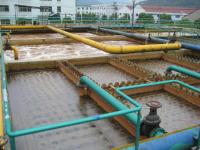
The main processes for treating slaughterhouse wastewater include the following: Separation and recycling treatment: Separate and recycle wastewater containing oil, non oil, and feces, and then merge them into secondary biochemical treatment. Activated sludge process: Degradation of organic matter in wastewater by microorganisms in activated sludge. Biological filter: Utilizing microorganisms attached to the filter material to degrade organic matter in wastewater. Biological turntable: By rotating biofilms attached to the disc, organic matter in wastewater is degraded. Anaerobic oxidation pond combined treatment method: anaerobic treatment is carried out first, followed by aerobic treatment, ultimately achieving purification effect. UASB reactor: used for anaerobic biological treatment to remove organic matter from wastewater. Biological contact oxidation method: used for aerobic biological treatment, with high load resistance. Hydrolysis acidification+SBR process: Combining hydrolysis acidification and SBR process to treat slaughter wastewater. A2/O process: a commonly used biochemical treatment combination process. Chemical precipitation method: used for deep treatment to remove pollutants such as total phosphorus and ammonia nitrogen. MBR membrane technology: used for deep treatment to enhance the effectiveness of biochemical treatment. |