|
Medical institution sewage treatment

Collect
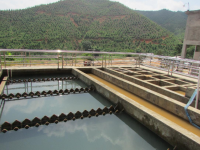
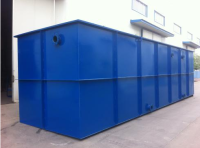
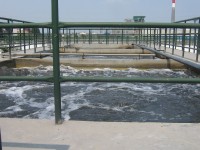
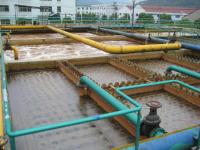
Medical institution wastewater treatment refers to the treatment of wastewater generated during the diagnosis and treatment process of medical institutions to ensure compliance with national discharge standards, prevent the spread of pathogenic microorganisms, and environmental pollution. The sewage of medical institutions mainly includes the diagnosis and treatment, living, and fecal sewage discharged from outpatient clinics, wards, operating rooms, laboratories, radiology rooms, and other places. Process flow The sewage treatment of medical institutions mainly includes the following steps: Preprocessing: Remove large debris through a grille to prevent blockages in subsequent processing equipment. Primary treatment: Removing suspended solids, organic matter, etc. from wastewater through physical and chemical methods. Secondary treatment: further remove residual pollutants to ensure that the treated effluent meets discharge standards. Disinfection: Chemical or physical methods are used to disinfect sewage and kill pathogenic microorganisms. Common processing methods Physical processing methods, such as grids, precipitation, etc., are mainly used to remove large particle impurities. Chemical treatment method: using chemical reagents to neutralize or precipitate harmful substances in wastewater. Biological treatment method: using microorganisms to decompose organic matter and reduce pollution. Disinfection treatment method: Use chlorine, ultraviolet and other methods to kill pathogenic microorganisms. emission standard According to the "Discharge Standards for Water Pollutants in Medical Institutions" (GB18466-2005), the discharge of sewage from medical institutions should meet the following standards: The content of pathogens and organic matter should be lower than the national emission limits. Radioactive pollutants should be treated through a decay pool to ensure that the radioactive concentration is reduced to a safe level before being discharged. Equipment and Technology Common sewage treatment equipment includes: Grille: Remove large debris. Sedimentation tank: removes suspended solids. Bioreactor: for biological treatment. Disinfection device: using chlorine gas, ultraviolet light and other disinfectants. |